
Farm and Ranch Welding: Gates, Trailers and Equipment Repair Around Mobile County
Farm and ranch welding across rural Mobile County — livestock gates, trailer repair, and equipment welding for Grand Bay, Wilmer, Citronelle, and Semmes acreage.
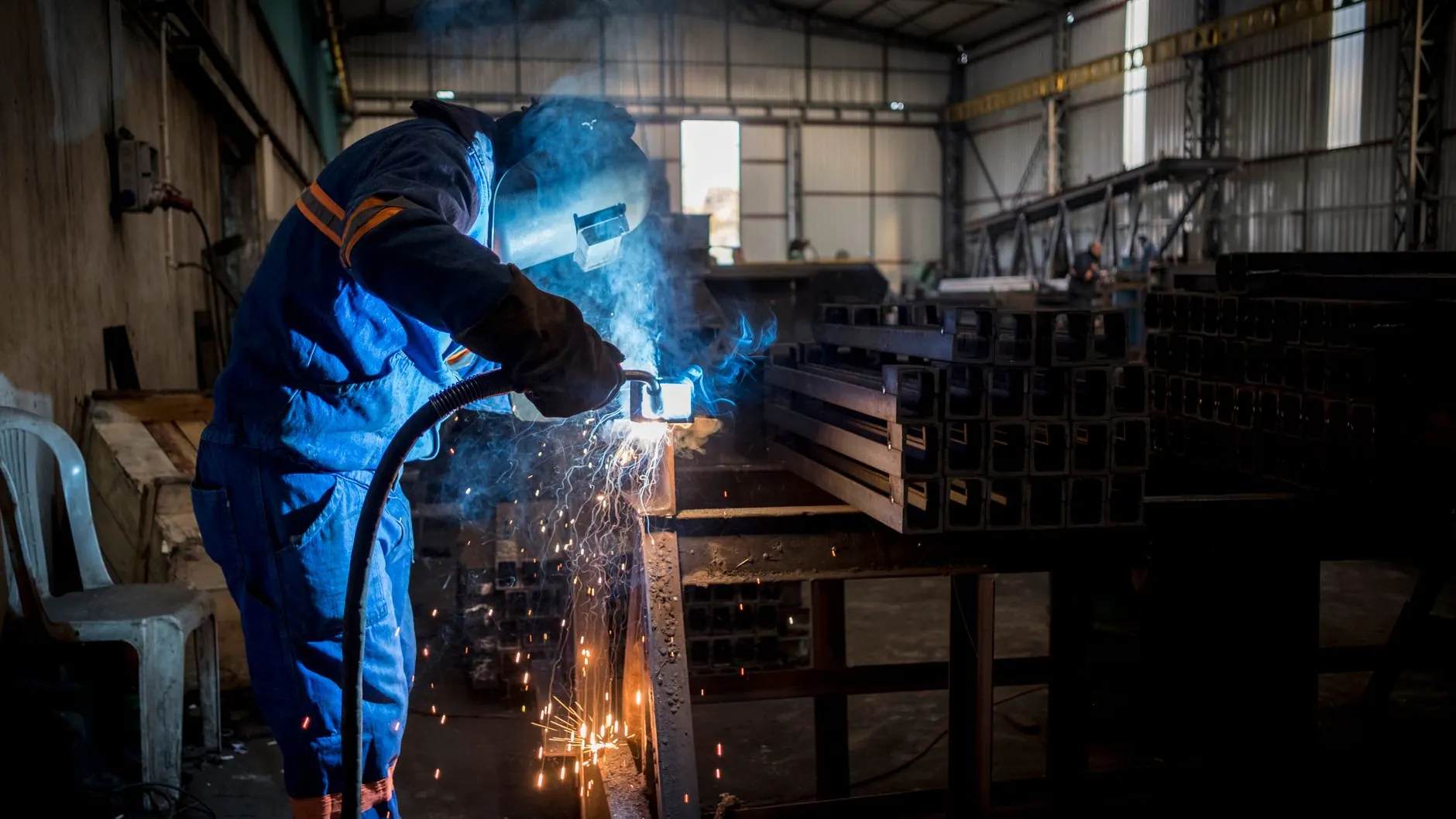
Farm and ranch welding around rural Mobile County means keeping the metal that runs your place working — livestock and entrance gates, trailers, implements, and equipment brackets that crack and bend under real use. At Albert's Specialty Welding in Irvington, Rod is fully portable, so out in the farmland of Grand Bay, along Tanner Williams Road in Wilmer, up in Citronelle, or through the Semmes nursery country, the welder and the power come to your field, barn, or shop. Farm metal fails at the worst times, and the fix is usually a solid repair weld or a heavier rebuild — not a whole new machine.
What farm and ranch jobs do you handle?
Rural properties send the widest variety of any work we do. The regulars:
- Livestock and entrance gates — heavy tube gates that take daily use and animal pressure.
- Trailer repair — frames, crossmembers, hitches, ramps, gates, and rotted floors.
- Equipment and implement repair — cracked brackets, bent buckets, broken frames, worn hitches.
- Fences and pens — welded panels and posts for holding stock.
- Welding and fabrication — one-off parts for older machinery nobody stocks anymore.
If it is metal and it broke doing farm work, it is in our wheelhouse. No job too odd.
Can you fix a farm trailer out in the field?
Usually yes. A trailer is the piece of farm equipment that fails most and can least afford downtime, and most failures are weldable. We handle trailer repair on the frame, crossmembers, hitch, ramp, and gate, and we reinforce the spots that keep cracking so it does not come back next season; our full trailer repair and fabrication guide walks through the failures we see most. Because the work is mobile, a hauling trailer near the Watermelon Festival grounds in Grand Bay's farmland, a rig along the Hwy 90 corridor, or a stock trailer out on the Grand Bay–Wilmer Road area gets repaired where it sits — no dragging a broken trailer into town. If the frame is too far gone in spots, we cut the bad section out and weld new steel in.
What makes a good farm gate?
A farm gate lives a harder life than a driveway gate — weather, livestock leaning on it, trucks bumping it, and years in the sun and rain. A good one is built from heavy tube, welded solid at every joint, and hung on hinges that will not sag under the weight. We fabricate gate repair sized to your actual opening, whether that is a pasture entrance out on Tanner Williams Road or a barn lot in Citronelle near State Street. On wide openings a double gate means each leaf stays manageable, whether they swing or work with a latch system that holds against pushing stock.
You can see local coverage on the Grand Bay gate repair page or the Wilmer service area.
Can you repair implements and equipment on-site?
Yes — that is exactly what mobile equipment repair is for. Implements crack at stress points, buckets wear thin, brackets shear off, and older machines break parts that were discontinued years ago. Rather than wait weeks for a part that may not exist, we weld the break, reinforce it, or fabricate a replacement piece right there. Out in far north Mobile County, Citronelle's oil-field and farm history means a lot of heavy older equipment still earning its keep, and keeping it running is cheaper than replacing it. The same goes for the growing acreage around Semmes and rural Grand Bay.
Why does mobile matter so much for farm work?
Because you cannot always bring the problem to the shop. A disabled implement, a loaded trailer, or a gate already set in concrete has to be fixed in place. Rod brings the welder, the generator, and the metal to you across rural Mobile County, works standard 8–5 weekday hours, and gives a free estimate before starting. That mobility is the whole point for anyone farming wide acreage far from town. If you are weighing a repair against a rebuild, our post on welder vs. fabricator helps you think it through.
Why is on-site farm welding usually a repair, not a replacement?
Because farm equipment is built to be fixed, and replacing it is expensive. A cracked implement frame, a bent bucket, a worn hitch, or a snapped bracket is almost always weldable — and a good repair, reinforced at the failure point, often comes back stronger than the factory metal that broke. Buying a new implement or trailer to solve a single cracked weld is money you do not need to spend. Out on rural acreage in Wilmer and the far-north country around Citronelle, where a lot of older, heavier equipment is still doing real work, keeping it running with smart repairs is what keeps an operation profitable.
The exception is the part that keeps failing. If the same bracket has cracked twice, or a trailer crossmember was under-built from the start, the right move is not another repair weld — it is fabricating a heavier replacement so you stop having the same breakdown every season. Sorting repair from rebuild is exactly what a free estimate is for, and it is the same judgment call we cover in our welder vs. fabricator guide.
What metals and jobs come up most on rural properties?
Farm work runs the full range of what a welder handles. Most implements, trailers, and gates are steel, welded with MIG or Stick depending on thickness and whether the work is at the bench or out in a windy field. Older machinery often has cast iron parts that need careful cast iron repair rather than a standard steel weld. Aluminum shows up on newer equipment, tanks, and some trailers. Matching the process to the metal is where experience pays off, and it is why one visit can knock out several unrelated jobs — a gate here, a trailer crossmember there, a cracked bracket on an implement.
Because Rod is fully portable, a property owner in Grand Bay's farmland or out along Tanner Williams Road in Wilmer can line up a list of small repairs for a single visit instead of hauling each broken thing into town one at a time. That is the efficient way to handle a working farm, and it fits the "no job too odd" reality of rural welding — every place has its own strange, one-off metal problem. A gate hinge here, a cracked implement mount there, a trailer floor rusted through, a broken hay-ring, a bent chute panel: none of it comes off a shelf, and all of it is weldable. You can see local coverage on the Citronelle service area page.
Keep your operation running
From livestock gates to trailer frames to broken implements, Albert's Specialty Welding keeps rural Mobile County working — and there is no job too odd. Call Rod at (251) 753-7337 or reach us through the contact page for a free estimate. Shop work carries a ****, we are fully portable across Mobile County, and we are open 8–5 Monday through Friday from 9641 Two Mile Rd. in Irvington.