Aluminum vs. Stainless vs. Cast Iron Welding: What Your Repair Actually Needs
Aluminum, stainless, or cast iron — each metal welds differently. A Mobile County welder explains what your repair actually needs and why it matters. Free estimates.
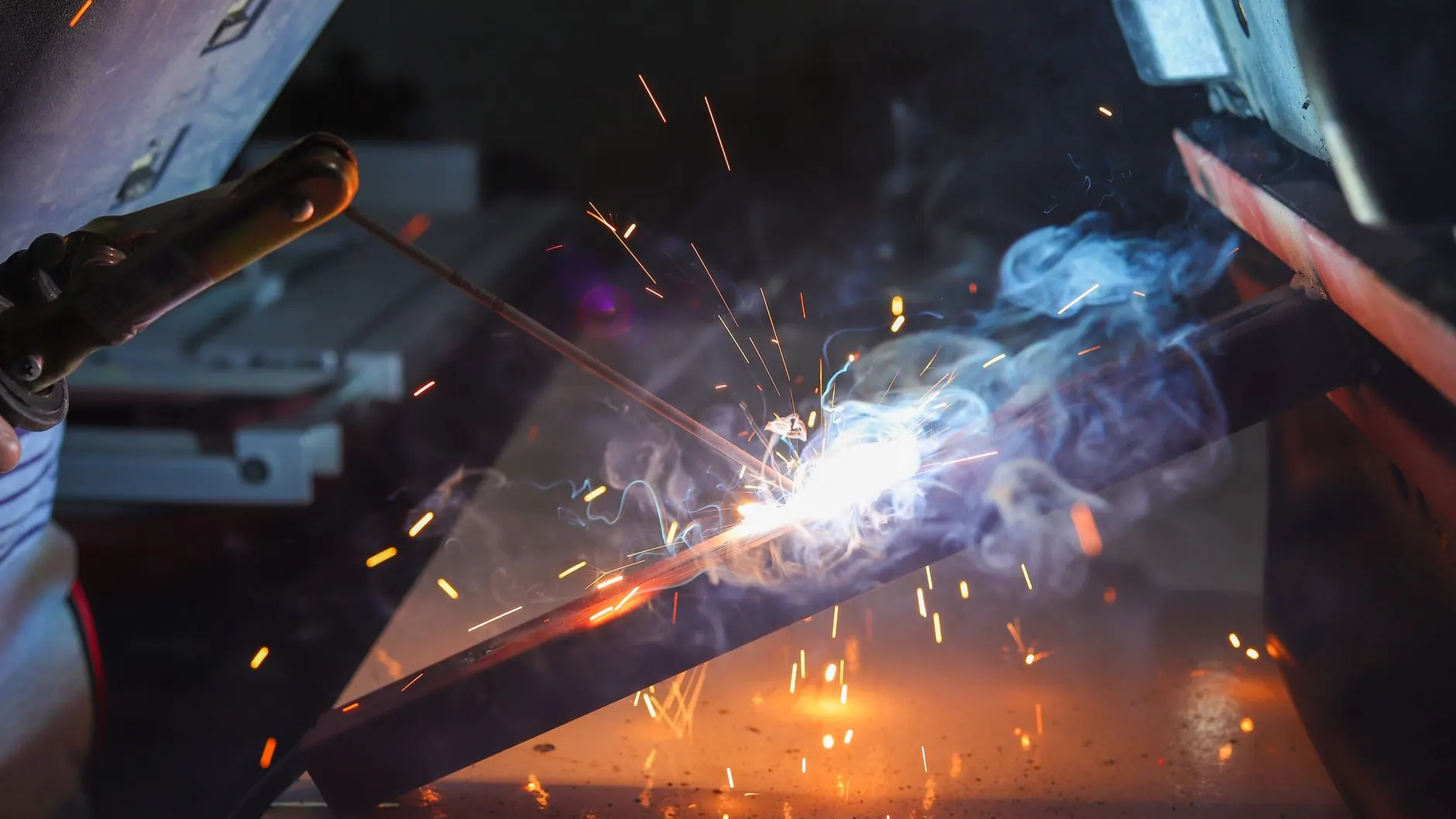
Aluminum, stainless steel, and cast iron each weld differently, and matching the process to the metal is the whole game — get it wrong and the repair cracks, warps, or simply won't hold. In short: aluminum is light and corrosion-resistant but conducts heat fast and needs careful prep, usually welded TIG or MIG; stainless is bright, tough, and great near salt or in kitchens, also typically TIG or MIG; cast iron is heavy and brittle and demands a careful, honest approach because it can crack from the heat itself. Knowing which metal you have tells you what your repair needs.
How do I tell which metal I have?
Start with a magnet. It won't stick to aluminum or most stainless steel, but it grabs cast iron firmly. Then use your eyes and hands:
- Aluminum is light for its size and a dull silver-gray. Think coastal gates, handrails, boat fittings, and trailer parts — anything where weight and rust matter, from Downtown Mobile to the barrier-island homes on Dauphin Island.
- Stainless steel is noticeably heavier, bright, and resists staining. Common on kitchen equipment, railings, and hardware.
- Cast iron is heavy, dark, often with a rough as-cast surface, and shows up in old fittings, cookware, pipe, machinery bases, and antique pieces.
If you are not sure, do not guess — we identify the metal for free when we look at your part, because welding it wrong wastes your money.
Why does aluminum weld so differently?
Aluminum is a heat thief. It pulls heat away from the weld so fast that it needs more energy up front, yet it will slump or blow through if you overdo it — a real balancing act. It also grows a tough oxide layer that has to be ground off first or the weld won't fuse right. That is why aluminum welding rewards experience and careful prep. On the coast it is the workhorse metal: light, rust-resistant, and everywhere on gates, fences, and trailers. Cast aluminum — pump housings, brackets, some old parts — is trickier still because casting quality varies, and we will give you an honest read on whether a given cast-aluminum piece will take a durable weld.
When is stainless steel the right choice?
Stainless earns its place anywhere corrosion resistance and easy washdown matter. It is the metal of commercial kitchens, railings, and fixtures — which makes it a natural fit around Mobile Bay and the working waterfront in Bayou La Batre. It welds bright and strong, usually TIG for precise beads or MIG for speed on heavier work. The catch is heat control: too much and stainless can warp or lose some of its corrosion resistance in the affected zone, so technique matters. Our stainless steel welding covers everything from a snapped handrail to back-of-house kitchen fixtures — see our restaurant equipment welding guide for that side of it.
What makes cast iron so tricky?
Cast iron is strong in compression but brittle, and the very heat of welding can crack it if it is not managed with care. It is not a metal to rush or to fake confidence on. A good cast-iron repair means reading the part, controlling heat, and being honest about the odds — some cracked castings come back beautifully, and some are simply not worth welding because they will crack again. We do real cast iron repair, and we will always tell you straight whether your piece is a good candidate. Our full breakdown lives in our can you weld cast aluminum and cast iron guide.
Which metal is best for the coast?
For Mobile County's salt air, corrosion resistance is king. Aluminum and stainless both hold up dramatically better than plain steel or old iron near the water — which is why coastal gate repair trend aluminum and and kitchen fixtures trend stainless. Plain iron and steel rust fast this close to the Gulf, so if you are choosing a material for something new near the Fowl River or out on the water, lean corrosion-resistant. If you are repairing an existing cast-iron piece, that is a different question — there we are fixing what you already own, not choosing a coastal material.
What we do and don't weld
To be straight with you: our lane is aluminum, cast aluminum, stainless steel and cast iron, using MIG, TIG, and Stick processes. That covers the enormous majority of home, farm, and business repairs across the county. Rod has 50+ years of hands-on experience, starting at the shipyard in 1975, and there is genuinely no job too odd — but if a project falls outside our materials, we will tell you honestly rather than take work that isn't the right fit. That honesty is worth more to you than a bad weld.
Not sure what metal you have or what it needs? Bring it by or send a photo, and we will identify it and tell you the right process. We handle this all over the county — grab a cell for your town or see the full Mobile County service page, from Midtown and the Airport Blvd corridor near the Port of Mobile to Saraland along Hwy 43.
Call Rod Albert at Albert's Specialty Welding, (251) 753-7337, or reach us through the contact page. We are based at 9641 Two Mile Rd. in Irvington, work 8–5 Monday through Friday, and are fully portable across Mobile County. **Free estimates, ** No job too odd.