
Salt Air and Rust: Protecting Metalwork on the Alabama Gulf Coast
How salt air rusts gates, handrails, and railings in coastal Mobile County — and the metals, coatings, and repairs that keep Gulf Coast metalwork lasting.
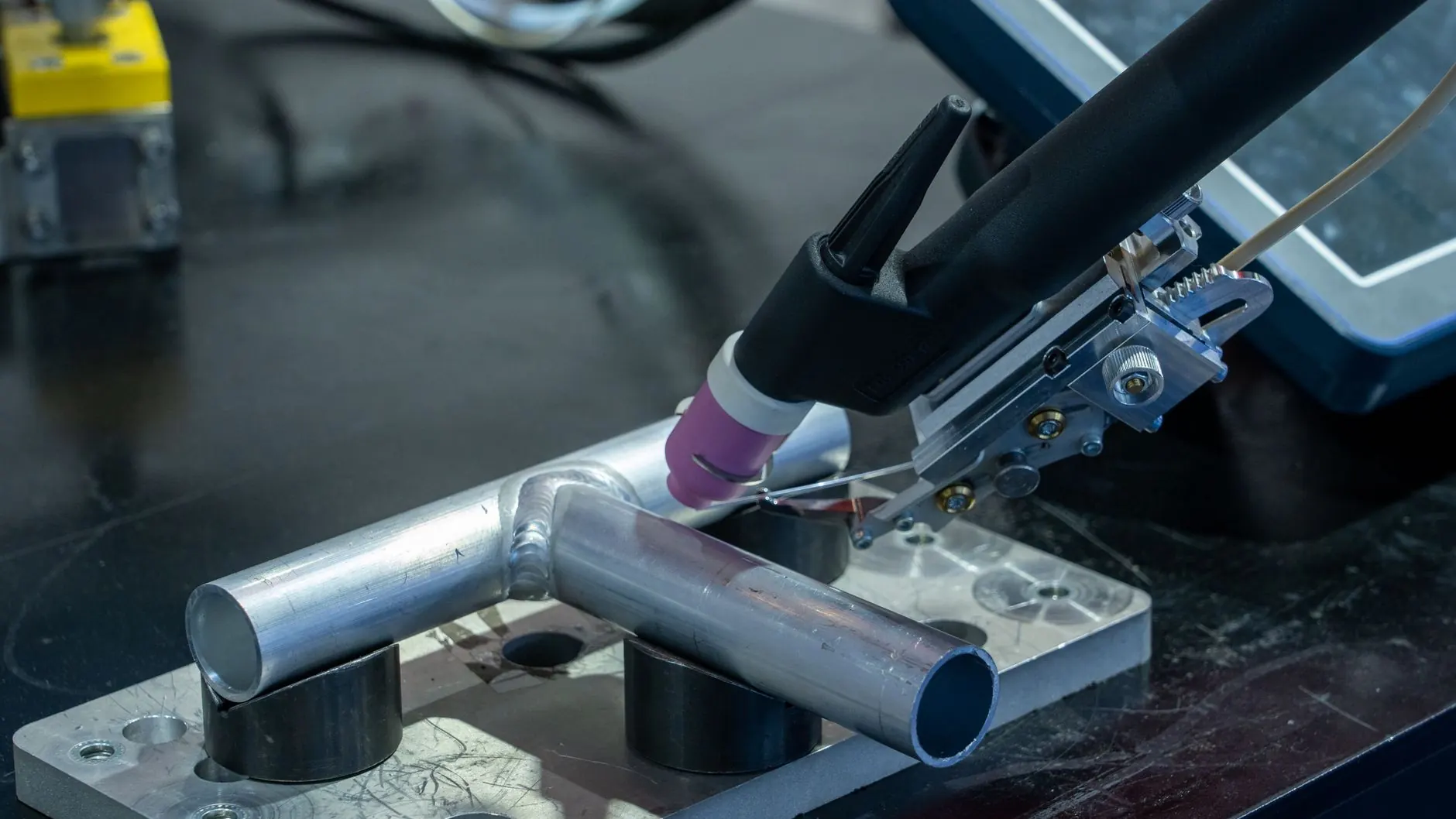
Salt air rusts coastal metalwork because the humid Gulf Coast air carries salt that settles on metal and traps moisture against it, so bare steel corrodes far faster near Mobile Bay than it ever would inland. The way you beat it is a combination of the right metal, the right coating, and catching rust early — build gates, handrails, and railings in aluminum or stainless where you can, protect steel properly where you cannot, and repair small rust before it becomes a full replacement. At Albert's Specialty Welding in Irvington, we repair coastal metal with salt in mind on every job.
Why does salt air attack metal so aggressively?
Rust is iron reacting with oxygen and water. Salt speeds that reaction up dramatically because it is hygroscopic — it pulls moisture out of the air and holds it against the metal, so a coastal fence stays damp and salty long after an inland one has dried. Anywhere near the water this is worse: the barrier-island lots on Dauphin Island, the waterfront homes along Fowl River in Theodore, and the docks down in Bayou La Batre all see metal fail years sooner than a place up in Semmes or Citronelle.
The tell-tale signs are always the same — rust weeping from a weld, bubbling paint, a hinge frozen with corrosion, or a fence rail thinning at the bottom where salt spray collects.
What metal holds up best in coastal Mobile County?
Metal choice is your first and biggest defense:
- Aluminum does not red-rust. It is our go-to for coastal gates, railings, and handrails, and welding it correctly takes TIG skill — which is exactly what aluminum welding is built around.
- Stainless steel resists corrosion well and is ideal for hardware, fittings, and food-contact pieces.
- Painted or galvanized steel can work when you want steel's strength and are willing to maintain the finish — but near Mobile Bay it needs real upkeep.
For anything close to the beach or a dock, aluminum or stainless is almost always the smart long-term call, even if the up-front cost is a little higher.
Can you protect steel you already have?
Yes — most coastal metalwork problems are catchable. If you already own a steel gate or fence and it is still structurally sound, the answer is not always replacement. We routinely handle:
- Gate repair — cutting out rusted sections, re-welding hinges and latches, and re-hanging so the gate swings true again.
- Gate frame repair — replacing rusted-through rails and posts, especially along the bottom where salt collects.
- Reinforcement and refinishing so the repaired piece gets a fresh, protected surface instead of going right back to rusting.
If the good metal is still there, a targeted repair usually beats a full teardown. Not sure whether yours is worth saving? A free estimate answers it fast.
What maintenance actually keeps coastal metal alive?
You do not need much, but you do need to be consistent:
- Rinse the salt off. A few times a year, hose down gates, railings, and fences — especially after a storm blows salt spray inland off Mobile Bay.
- Touch up coatings early. The moment paint chips or bubbles, treat it before rust gets under it. A small touch-up now prevents a rebuild later.
- Keep hinges and latches moving. Corroded hardware is the first thing to seize on a coastal gate.
- Watch the low spots. Fence bottoms and post bases collect salt and moisture, so inspect there first — it is the same reason a coastal mailbox post rusts out at ground level before anywhere else.
Do those four things and coastal steel lasts; skip them and even good metal fails early.
Where does this matter most around the county?
Anywhere the salt reaches. Theodore's Fowl River waterfront and the Bellingrath Gardens area, the west-end beach homes and Fort Gaines area on Dauphin Island, and the working docks of Bayou La Batre are the toughest environments in the county for metal. Inland along the Hwy 90 corridor it is gentler, but salt-laden storm systems still push corrosion further than people expect. Because Rod runs fully portable out of Irvington, we bring coastal-grade repairs and aluminum work right to the site.
See what we cover through the Theodore service area, or if you are weighing a rebuild, read our guide on aluminum welding.
What are the warning signs your metalwork is losing to the salt?
Catching corrosion early is the whole game, so learn to read the signs before a repair becomes a replacement. Walk your gates, handrails, and railings a couple of times a year and look for:
- Rust bleeding from a weld or joint — often the first place to go, because welds concentrate stress and hold moisture.
- Bubbling or flaking paint — the finish is failing and salt is already working underneath.
- A hinge or latch that drags or squeals — corrosion is seizing the hardware.
- Thin, flaky metal at the bottom of posts and rails — salt and water pool low, so that is where fences fail first.
- Staining streaks running down from fasteners or fittings.
None of these mean the piece is done. They mean it is time to act while a repair is still cheap. A gate showing rust at the hinges near Fowl River in Theodore is a re-weld today or a full replacement next year — your choice, and the earlier one costs far less.
Is aluminum always the answer on the coast?
Not always, but it is the default for anything that will not be babied. Aluminum's big advantage is that it does not red-rust, so a coastal gate, railing, or fence in aluminum survives with almost no maintenance beyond an occasional rinse. The trade-offs are that it costs a bit more up front and it demands skilled TIG work to weld correctly — a bad aluminum weld cracks. That is why we treat aluminum welding as its own craft.
Steel still earns its place where strength matters most — heavy security gates, farm equipment, structural repairs — as long as you accept that it needs a real coating and periodic upkeep this close to the water. Stainless splits the difference for hardware and fittings. The right pick depends on the job, the budget, and how much maintenance you are honestly willing to do. We lay that out plainly in the free estimate rather than pushing one metal for every situation. If your project is a boat, hull, or trailer, the coastal calculus shifts again — that is the focus of our aluminum welding guide, and the same salt-first thinking runs through our custom gate builds along the coast.
Beat the salt before it beats your metal
Whether you need coastal metal built right the first time in aluminum or an existing gate rescued from rust, Albert's Specialty Welding works with the Gulf Coast in mind. There is no job too odd. Call Rod at (251) 753-7337 or use the contact page for a free estimate. Shop work carries a ****, we are fully portable across Mobile County, and we are open 8–5 Monday through Friday.